

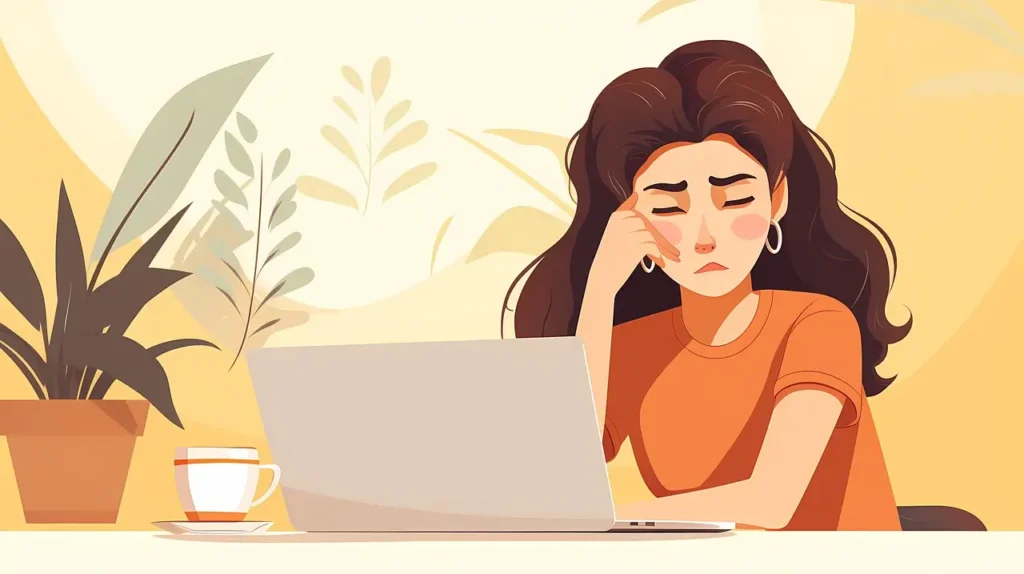
We all experience it. at some point we get busy with prolonged and unmanaged stress from work or intense responsibility and we even forget to take a step back and get fresh air to rest. At this point, you either feel physically, mentally or emotionally exhausted
As much as working online gives you flexibility, freedom, and control over your time. But if you’re not careful, it can also blur the line between work and rest. Before you realize it, you’re constantly online, mentally drained, and running on empty.
What Is Burnout?
Burnout is a state of exhaustion caused by prolonged and unmanaged stress. It builds up over time when you feel overwhelmed, overworked, and unable to recover.
While burnout is often linked to work, it can affect every part of your life, including your health, relationships, and overall happiness.
Common Causes of Remote work Burnout
Burnout develops gradually due to consistent pressure and unhealthy work patterns It doesn’t happen overnight.
Several Factors can contribute to Virtual work burnout the most common include:
- High stress levels from work
- Unmanageable workload and tight deadlines
- Pressure to always stay productive online
- Low income despite high effort
- Lack of mental health support
- Poor work-life balance
Signs and Symptoms of Burnout
| Emotional Signs — Feeling overwhelmed or trapped — Loss of motivation — Emotional numbness — Increased sensitivity or irritability — Self-doubt and low confidence | Mental Signs — Constant worrying — Negative thinking or worst-case assumptions — Difficulty focusing — Feeling mentally detached from work — Overthinking small problems |
| Physical Symptoms — Constant fatigue, even after rest — Headaches and body pain — Sleep problems — Digestive issues — High blood pressure | Behavioral Signs — Avoiding tasks you once enjoyed — Working longer hours to catch up — Reduced productivity — Withdrawing from people — Taking excessive time off work |
Effects of Burnout
Burnout doesn’t just affect your work. It also affects your entire life. You may start experiencing poor sleep because your mind stays active even when you want to rest. This leads to physical exhaustion and a cycle of fatigue. You might also struggle with memory and concentration, making simple tasks feel difficult.
Over time, your immune system weakens, your confidence drops, and social interactions reduce. Many people also begin to experience anxiety in situations that never bothered them before.
If left unchecked, burnout can seriously impact both your mental and physical health.
Related: 8 Pro Tips to Stay Productive While Working From Home
How to Avoid Burnout While Working Online
Working online can quietly drain your energy if you don’t put the right systems in place. These strategies are not just tips; they are habits that protect your focus, your health, and your long-term productivity.
1. Take Regular Breaks
When you sit in front of your screen for hours without stopping, your brain starts to slow down. You may not notice it immediately, but you will notice that your focus will begin to drop, and simple tasks begin to feel harder than they should. So step away from your screen, stretch your body, or take a short walk.
Benefit: Taking short breaks during your workday helps you reset You will return to work feeling refreshed, which improves your concentration and helps you complete tasks faster with fewer mistakes.
2. Maintain a Consistent Schedule
One of the biggest traps of working online is the lack of structure. You just start working anytime and stop anytime, which eventually leads to overworking. Setting a fixed start and end time gives your day structure. It trains your mind to switch into “work mode” and “rest mode” naturally.
Benefit: It will help You to avoid overworking and create a healthier work-life balance, which keeps your energy stable throughout the week.
3. Set Up a Dedicated Workspace
Working from your bed or couch might feel comfortable, but it defiantly confuses your brain. Your mind can’t clearly separate rest from work. This creating a simple workspace, even if its a small desk, helps your brain associate that space with productivity.
Benefit: You stay more focused during work hours and find it easier to relax when you leave that space.
4. Watch for Early Signs of Burnout
Burnout doesn’t happen suddenly. It builds slowly through small warning signs like constant tiredness, low motivation, or irritability. Pay attention to these signs and act early instead of pushing through them.
Benefit: You prevent burnout before it becomes serious and helps you maintain steady productivity without crashing.
5. Stay Organized
Take your time to organize your day, work space and task. When your tasks are scattered, your mind feels cluttered. So You should spend more time thinking about what to do than actually doing the work. Planning your day with a simple to-do list or tool helps you stay in control.
Benefit: It helps to reduces stress, keep you focused, to complete tasks more efficiently without feeling overwhelmed.
6. Set Realistic Deadlines
When i began my first freelancing job, i felt i could handle multiple tasks; given the freedom. i overloaded myself. Little did i know that i was only setting myself for burnout. Even if i knew what Deadline was, but i didn’t understand what it meant to keep a realistic deadline.
Soon i found out that Setting realistic deadlines means understanding your limits and giving yourself enough time to do quality work.
Benefit: When you set Realistic Deadlines, You avoid unnecessary pressure, produce better results, and reduce the risk of burnout caused by constant rushing.
7. Unplug During Non-Work Hours
I always have my phone in my hands checking emails or messages, my mind never truly rests. Even when I’m not working, The truth is that i still mentally connected. then i made it a habit to disconnect after work hours. Turn off notifications and step away completely.
Benefit: When you step out of work completely after work hours, your brain gets time to recover, which improves your creativity, focus, and overall performance for the next day.
8. Reach Out for Support
Working online can feel isolating. You may not have coworkers around you, which makes it harder to share your struggles. Hence a need to Talk to someone. whether a friend, colleague, or mentor. This can help you release stress and gain perspective.
Benefit: You feel less overwhelmed and more supported, which in-turn, improves your emotional well-being and motivation.
9. Use the Right Tools
Trying to do everything manually can slow you down and increase frustration.. This is where technology comes in. Using the right productivity tools for task management, communication, or automation can make your workflow smoother. and less frustrating.
Benefit: This tools helps you save time, reduce workload, and focus on what truly matters, hence lowers stress levels.
10. Set Clear Boundaries
Oh i remember this day; i Almost didn’t know i was crossing the second day without rest or sleep; i was carried away trying to meet deadlines. Look without clear boundaries, work can easily spill into every part of your day. You may find yourself working late into the night without realizing; Just like me.
So i advice that you Set clear rules for when you are available and when you are not or wont be.
Benefit: This helps you to protect your personal time, reduce stress, and maintain a healthier balance between work and life.
Related: Proven Tips on How to Become Goal Oriented
Quick Summary Table
| Habit | Why It Matters |
|---|---|
| Taking breaks | Prevents mental exhaustion |
| Setting boundaries | Protects your personal time |
| Exercising | Reduces stress and boosts energy |
| Staying organized | Prevents overwhelm |
| Unplugging | Helps your mind recover |
| Socializing | Improves emotional well-being |
FAQs
Conclusion
Working online offers freedom, but without boundaries, it can quickly lead to burnout. To avoid burnout while working online comes down to managing your time, protecting your energy, and knowing when to step back.
Small habits like taking breaks, setting limits, and unplugging after work can help you stay productive without feeling drained. When you balance work with proper rest, you wont only avoid burnout. You also create a healthier and more sustainable way to work.